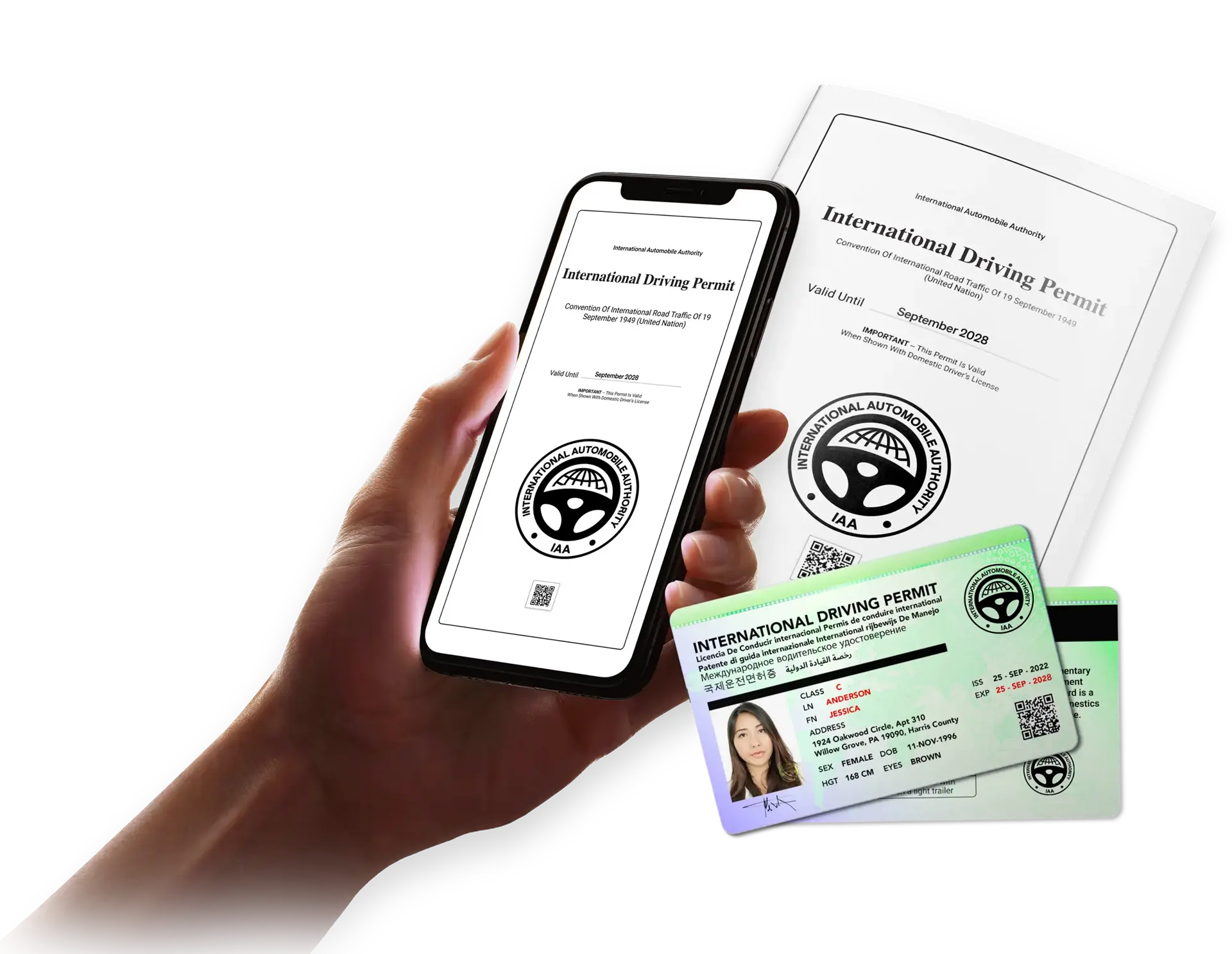


Thailand attracts millions of international visitors each year, many of whom wish to explore beyond Bangkok's bustling streets and venture into the northern mountains, southern beaches, and rural countryside. Driving independently offers flexibility that public transport and tour groups cannot match, but it requires proper documentation that Thai authorities and rental companies will accept.
This comprehensive guide explains everything tourists need to know about driving legally in Thailand, including documentation requirements, the distinction between official permits and certified translations, and practical considerations for renting vehicles throughout the country.
Understanding Thailand's Driving Documentation Requirements
Thailand's Land Transport Department sets the legal framework for foreign drivers operating vehicles within the kingdom. The requirements can vary depending on your country of origin, the type of vehicle you intend to drive, and the duration of your stay.

For most international tourists, Thailand accepts the following documentation:
- Valid domestic driving licence from your home country
- International Driving Permit (IDP) issued under the 1949 or 1968 Geneva/Vienna Conventions
- Certified translation of your domestic licence into Thai or English
- Valid passport with current Thai entry stamp or visa
Thailand is a signatory to the 1949 Geneva Convention on Road Traffic, which means IDPs issued by contracting states should theoretically be recognised. However, enforcement varies significantly between provinces, and individual police officers may interpret requirements differently. For detailed information about documentation for Thailand, visit our Thailand driving permit information page.
It is essential to understand that requirements change and enforcement practices evolve. Always verify current regulations with the Thai Land Transport Department or the Royal Thai Embassy in your country before travelling.
Official IDPs Versus Certified Licence Translations: Key Differences
Confusion frequently arises between government-issued International Driving Permits and certified translations of driving licences. Understanding this distinction is crucial before driving in Thailand or any foreign country.

Government-Issued International Driving Permits
An official IDP is a document issued by authorised government agencies or motoring organisations in your home country. In the United States, only the American Automobile Association (AAA) and the American Automobile Touring Alliance (AATA) are authorised to issue IDPs. In the United Kingdom, the DVLA authorises the RAC and AA. These documents follow standardised formats established by international conventions and contain translations of your licence information into multiple languages.
Official IDPs are valid for one year from the date of issue and must be accompanied by your original domestic licence at all times. They are not standalone documents and do not replace your actual driving licence.
Certified Licence Translations
A certified translation is a professionally translated version of your domestic driving licence, typically notarised or certified by the translation provider. Our certified translation service provides documentation accepted in over 180 countries, though acceptance depends on local laws and individual rental company policies.
Important clarification: A certified translation is not the same as an official government-issued IDP. It does not replace any legally required International Driving Permit, your original licence, or rental company documentation requirements. The translation serves as supplementary documentation that may assist foreign authorities and rental agencies in understanding your licence details when language barriers exist.
Some tourists find that a certified translation, combined with their original licence, satisfies practical requirements at rental counters and during routine traffic stops. However, this cannot be guaranteed, as acceptance remains at the discretion of Thai authorities and rental companies.
Renting Vehicles in Thailand: What Rental Companies Require
Major international rental companies operate throughout Thailand, with significant presence at Suvarnabhumi Airport in Bangkok, Chiang Mai International Airport, and Phuket International Airport. Each company maintains its own documentation policies, which may exceed legal minimums.

Rental companies such as Hertz, Avis, Europcar, and Sixt typically require:
- Valid domestic driving licence held for minimum period (often one to two years)
- International Driving Permit or certified translation (requirements vary by location)
- Valid passport
- Credit card in the driver's name
- Minimum age requirement (usually 21-25 years, depending on vehicle category)
Documentation requirements can differ between booking online and presenting at the counter. Policies may also vary between franchise locations within Thailand. The rental terms stated at the time of booking are contractually binding, so review these carefully before confirming your reservation.
Local Thai rental companies, particularly those renting motorbikes and scooters, may have more relaxed documentation requirements. However, driving without proper documentation can invalidate your insurance coverage, leaving you financially liable for any accidents or damage.
If you plan to visit multiple Southeast Asian countries, consider researching requirements in advance. Our guides for driving in Indonesia and driving in Malaysia provide country-specific information for these popular neighbouring destinations.
Practical Considerations for Driving in Thailand
Beyond documentation, several practical factors affect the driving experience in Thailand and should influence your planning.
Traffic Patterns and Road Conditions
Thailand drives on the left side of the road, which may require adjustment for visitors from right-hand traffic countries. Major highways between cities are generally well-maintained, but rural roads can deteriorate significantly, particularly during monsoon season from May to October.
Bangkok traffic is notoriously congested, and many tourists find that ride-hailing services or public transport provide more practical city transport than self-driving. The city's expressway system can be confusing for first-time visitors, and parking is both scarce and expensive in central areas.
Insurance Considerations
Thailand requires all vehicles to carry Compulsory Motor Insurance (commonly called Por Ror Bor), which provides limited third-party liability coverage. This basic coverage is typically included in rental agreements but offers minimal protection.
Comprehensive collision damage waiver and supplementary liability insurance significantly reduce financial risk. Verify your personal travel insurance policy regarding driving coverage in Thailand, as some policies exclude motorbike or scooter accidents, or impose documentation requirements.
Police Interactions and Checkpoints
Police checkpoints are common throughout Thailand, particularly in tourist areas and during holiday periods. Officers may request to see your driving documentation. Having clear, understandable documentation can facilitate these interactions significantly.
If your licence is in a non-Roman alphabet or a language unfamiliar to local officers, a certified translation or IDP becomes practically essential rather than merely helpful. Fines for driving without proper documentation can range from 1,000 to 10,000 Thai baht, though amounts vary.
Frequently Asked Questions
Can I drive in Thailand with only my domestic licence?
Some countries have bilateral agreements with Thailand that may allow driving with only a domestic licence for limited periods. However, most international tourists require supplementary documentation such as an IDP or certified translation. Rental companies frequently require additional documentation regardless of legal minimums. Verify current requirements with Thai authorities before travelling.
How long is an International Driving Permit valid in Thailand?
Official IDPs are typically valid for one year from the date of issue. For stays exceeding 90 days, Thailand may require tourists to obtain a temporary Thai driving licence. Requirements for long-term residents differ from those for short-term tourists.
Do I need an IDP for renting a motorbike in Thailand?
Legally, the same documentation requirements apply to motorbikes as to cars. Many local motorbike rental shops may not enforce documentation requirements strictly, but driving without proper documentation can void your insurance coverage and create legal complications in the event of an accident. Additionally, your domestic licence must cover the motorcycle category you intend to drive.
Will a certified licence translation guarantee I can rent a car in Thailand?
No documentation can guarantee rental approval. A certified driver's licence translation serves as supplementary documentation that may satisfy rental company requirements, but acceptance depends on individual company policies, local franchise decisions, and current Thai regulations. Always confirm specific requirements with your chosen rental company before booking.
What happens if I drive without valid documentation in Thailand?
Driving without legally valid documentation may result in fines, vehicle impoundment, and potential criminal charges for serious violations. Perhaps more significantly, insurance claims can be denied if you cannot demonstrate you were legally permitted to drive, leaving you personally liable for any damages, injuries, or third-party claims.
Prepare Your Documentation Before You Travel
Proper documentation is essential for a trouble-free driving experience in Thailand. Whether you need a certified translation to supplement your domestic licence or simply want clear documentation for rental counters and police checkpoints, preparing in advance prevents complications during your trip.
Get your certified driver's licence translation — accepted in 180+ countries, delivered digitally. Please note that acceptance depends on local Thai law and individual rental company terms. We recommend verifying current requirements with the Thai Land Transport Department and your chosen rental provider before travel.