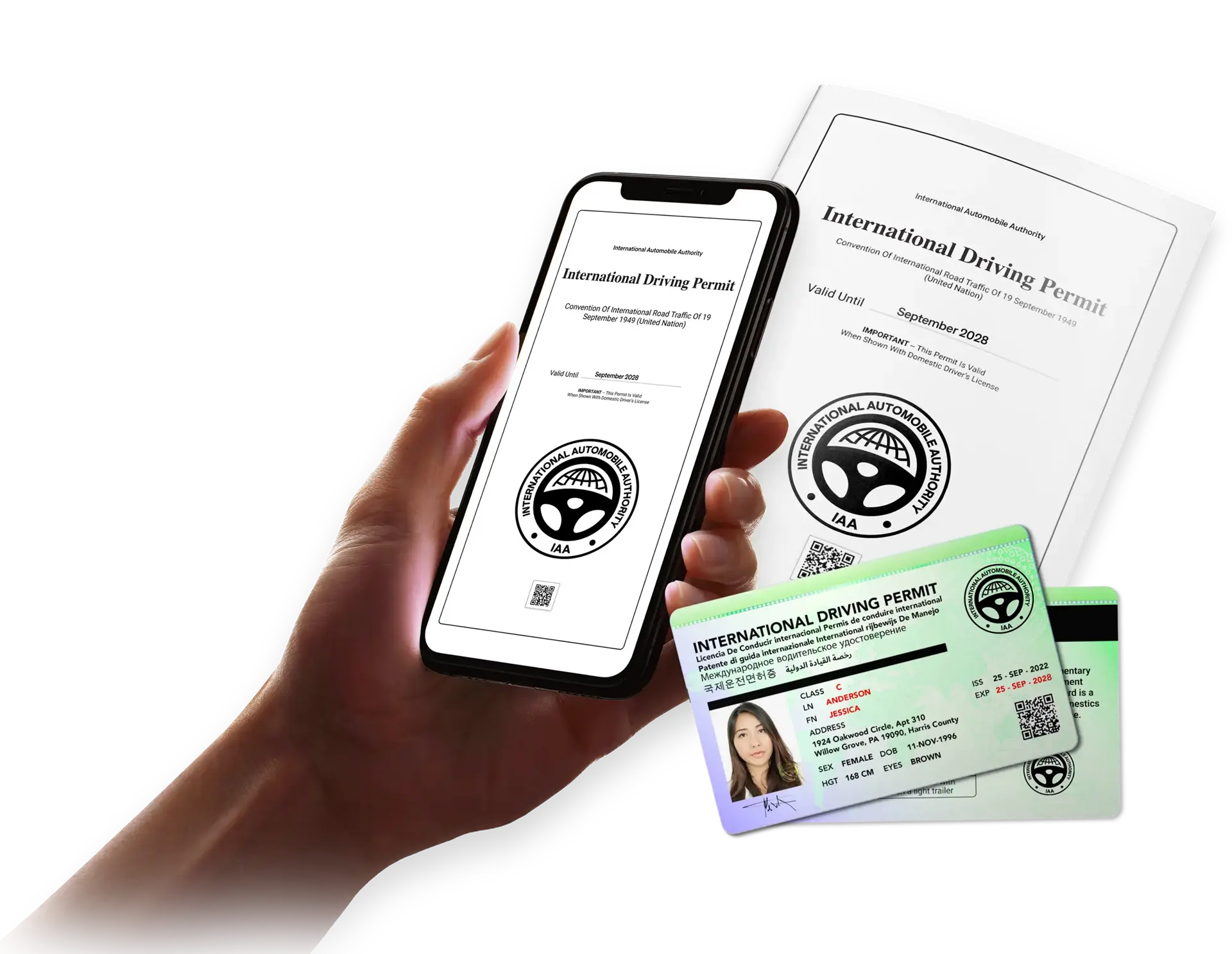


Planning a road trip through Tuscany, the Amalfi Coast, or the rolling hills of Umbria? One of the most common questions American travelers ask is whether they need an international driver's license to legally drive in Italy. The answer involves understanding Italian law, rental company policies, and the practical realities of presenting an English-language license in a country where Italian is the official language.
This guide breaks down exactly what US citizens need to know about driving in Italy, the difference between government-issued permits and certified translations, and how to prepare properly for your Italian driving adventure.
Italian Legal Requirements for Foreign Drivers
Italy is a signatory to the 1968 Vienna Convention on Road Traffic, which establishes rules for international driving documents. Under Italian law, foreign visitors may drive with their valid home country license for up to one year, provided certain conditions are met.

The key requirement centers on language. Italian authorities require that any foreign driving license be accompanied by either:
- An International Driving Permit (IDP) issued under the 1949 Geneva Convention or 1968 Vienna Convention
- An official Italian translation of the license, certified by an Italian consulate or other recognized authority
Since US driver's licenses are issued in English without Italian text, American drivers technically need supplementary documentation to satisfy Italian legal requirements. The government-issued IDP available to US citizens through AAA or AATA serves this purpose by providing standardized translations in multiple languages, including Italian.
However, enforcement of these requirements varies significantly. Many American tourists drive throughout Italy without any issues using only their US license, while others have encountered difficulties during police stops or at rental counters. Rules can change, so always verify current requirements with the driving permit requirements for Italy and official Italian transport authorities before your trip.
What Rental Companies Actually Require
Beyond legal requirements, rental car companies impose their own policies that may differ from or exceed government mandates. Understanding these policies is essential for a smooth rental experience.

Major international rental agencies operating in Italy, including Hertz, Avis, Europcar, and Sixt, have varying approaches to documentation requirements for American renters. Some locations may accept a US license alone, while others strictly require an IDP or translation. Policies can differ not only between companies but also between individual franchise locations.
Common rental company requirements include:
- Valid driver's license held for a minimum period (often one to two years)
- Minimum age requirements, typically 21-25 depending on vehicle category
- Credit card in the primary driver's name
- Additional documentation such as an IDP or certified translation
The critical point is that rental company policies change frequently. What applied during a friend's trip last year may not apply to your booking today. Always check the specific terms and conditions on your rental agreement and contact the rental location directly if documentation requirements are unclear. Arriving without proper documentation could result in denial of service or additional fees.
If you're planning to drive in multiple European countries during your trip, consider that requirements differ across borders. For instance, documentation requirements for Austria and driving permit rules in France may have their own specific stipulations for US license holders.
International Driving Permit vs. Certified Translation: Understanding the Difference
Confusion often arises between government-issued International Driving Permits and certified license translations. These are distinct documents serving related but different purposes.

Government-Issued International Driving Permit (IDP): This is an official document issued under international treaty conventions. In the United States, only AAA and AATA are authorized to issue IDPs. The permit is a standardized booklet containing your license information translated into multiple languages. It is explicitly recognized by signatory countries to the Geneva and Vienna conventions.
Certified Driver's License Translation: This is a professional translation of your license into a target language, certified for accuracy. A translation does not replace a legally required IDP, your original license, or any documentation that rental companies may require. It serves as a supplementary document that may help with comprehension in countries where your license language is not understood.
At International Automobile Authority, we provide certified translations of driver's licenses that have been accepted in over 180 countries. However, we want to be completely transparent: our translation is not a government-issued IDP. Whether a certified translation satisfies legal or rental requirements in any specific situation depends entirely on local laws, enforcement practices, and individual rental company policies.
Some travelers carry both documents for maximum flexibility. Others find that a certified translation meets their needs, while some situations strictly require the government-issued IDP. The responsibility for verifying current requirements rests with the traveler.
Practical Considerations for Driving in Italy
Beyond documentation, several practical factors affect American drivers in Italy that are worth considering before your trip.
ZTL Zones: Many Italian city centers have Zona Traffico Limitato (restricted traffic zones) where unauthorized vehicles are prohibited. Cameras automatically record license plates, and fines are mailed to rental companies who charge them to your credit card. These fines can arrive months after your trip and are often substantial.
Fuel Types: Pay careful attention to fuel type. Many European vehicles run on diesel, and misfueling can cause serious damage and void your rental insurance coverage.
Toll Roads: Italian autostrade (highways) are toll roads. Keep cash or a credit card accessible for toll booths, or consider renting a Telepass device for automatic payment.
Insurance Coverage: Verify whether your US auto insurance or credit card provides coverage in Italy. Many American policies do not extend internationally, and rental company insurance options can be expensive.
Mountain Driving: If your itinerary includes the Dolomites or Alpine regions, check whether winter tire or snow chain requirements apply during your travel dates.
Having your documentation in order, including your valid US license and any supplementary permits or translations, allows you to focus on enjoying Italy's remarkable driving experiences rather than worrying about paperwork.
Frequently Asked Questions
Can I drive in Italy with just my US driver's license?
While many Americans do drive in Italy using only their US license without incident, Italian law technically requires that licenses in foreign languages be accompanied by an IDP or official translation. Enforcement varies, but rental companies may require additional documentation. Always verify current requirements before your trip.
How long can US citizens drive in Italy on a foreign license?
Visitors to Italy may generally drive on their valid foreign license for up to one year. Those establishing residency in Italy must obtain an Italian license within that period. This timeframe can change based on bilateral agreements and regulatory updates, so confirm with Italian authorities.
Is a certified translation the same as an International Driving Permit?
No. A certified translation is a professional translation of your license document, while an International Driving Permit is a government-issued document under international treaty conventions. A translation does not replace a legally required IDP. Some situations may accept a translation, while others specifically require the government-issued permit.
What happens if I'm stopped by Italian police without an IDP?
Outcomes vary based on the individual officer and circumstances. Potential consequences could range from no action to fines. If you're involved in an accident without proper documentation, insurance complications could arise. Having appropriate documentation reduces these risks.
Do I need separate documentation for each European country I visit?
Requirements vary by country. While many European countries have similar rules regarding IDPs and translations, each nation sets its own policies. If your road trip spans multiple countries, research each destination's specific requirements. Visit our country requirements directory for more information on individual nations.
Prepare for Your Italian Road Trip
Driving in Italy offers unparalleled freedom to explore this magnificent country at your own pace, from the coastal curves of Cinque Terre to the vineyard-lined roads of Chianti. Ensuring you have proper documentation before departure eliminates potential complications and lets you focus on the experience ahead.
Get your certified driver's licence translation — accepted in 180+ countries, delivered digitally. Please note that acceptance depends on local law, specific rental company terms, and enforcement practices in each jurisdiction. We recommend verifying current requirements with official authorities and your rental provider before traveling.